



A pet's lifespan is often closely linked to their owner's nutritional habits and living environment. Proper care for senior pets is crucial for maintaining their quality of life. With this in mind, Pettington is partnering with Royal Canin to launch the "Furry Veterans" campaign, offering free gift packages and a chance to win a free health checkup to help you better care for your senior pet!
How to tell if your pet is entering old age?
The lifespan of dogs and cats depends on their breed, environment, and care, but most dogs and cats live between 12 and 16 years , while cats live between 13 and 17 years, with breed having a smaller impact. Statistically, large dog breeds tend to live slightly less than small dogs, around 10 to 12 years, due to their genetics, faster growth rates, and metabolic rates.
The American Animal Hospital Association defines the last 25% of life as advanced age. Generally, advanced age is determined based on the following data:

Cat
Oldest age: 10 years old

Small dogs (≤ 20lbs)
Oldest age: 11 years old

Medium dogs (20-50 lbs)
Oldest age: 10 years old

Large dogs (50-90 lbs)
Oldest age: 9 years old

Giant dogs (≥ 90 lbs)
Oldest age: 7 years old
Frequently Asked Questions about Senior Pets

Behavioral changes
Aging can lead to cognitive impairment, manifested by increased anxiety, disorientation, changes in sleep patterns, and decreased interest in gaming.
Changes may indicate pain or discomfort and require continued observation and veterinary assistance if necessary.

Health issues
Older pets are at higher risk for heart disease, kidney disease, liver disease, diabetes, and joint problems. Obesity, a common problem among older pets, is a major cause of joint problems.

Cancer risk
Cancer is the cause of death in nearly 50% of dogs and 30% of cats over the age of 10.
Seek veterinary attention promptly if abdominal swelling, bleeding, lumps, persistent wounds, or loss of appetite occur.
Nutritional needs of older pets

Pay attention to water content
Older pets generally have the problem of not drinking enough water, so you should pay special attention to the water content in their food. Water is an important component for regulating body temperature, aiding digestion, lubricating tissues, and helping to metabolize waste. It is undoubtedly an important nutrient. So Pettington It is recommended that older furry children consume more wet food in their daily diet to supplement their daily water intake.

Heat level
Because older pets' metabolic rate declines, if they are still fed the same amount as when they were younger, they may become overweight. Therefore, especially in their advanced age, pets need to pay attention to reducing their calorie intake.

Special food for senior pets
Sensory organs such as vision, hearing, smell, and taste gradually deteriorate. When your pet reaches advanced age, consider using food specifically formulated for senior pets. This type of food is specially formulated to improve digestibility or be easily chewed, which aids digestion and absorption.
Case sharing of elderly cats and dogs


Recently, his owner noticed some weight loss in his dog. To better understand his health, he took him to the clinic for a comprehensive physical examination and complete blood work. The results showed that all of Dandan's body indices were generally normal, with only a slightly elevated SDMA index, which may indicate renal insufficiency. Furthermore, the veterinarian detected a slight heart murmur during auscultation, suggesting a potential heart condition.

Based on Dandan's health and examination results, the veterinarian recommended adjusting his diet, reducing phosphorus intake while providing easily digestible, high-quality protein. To this end, the doctor prescribed Royal Canin Early Renal formula, primarily consisting of Early Renal wet food supplemented with a small amount of Early Renal dry food, to reduce the metabolic burden on Dandan's kidneys. Following the examination, the owner gained a better understanding of Dandan's health and hopes that this prescribed diet will help Dandan enjoy a comfortable and happy life even in his advanced age.


As Bulma entered her senior years, her owner sought a more comprehensive understanding of her physical condition and sought veterinary advice on caring for senior cats. They took her to the clinic for a comprehensive physical examination and complete blood work. Although Bulma was a little nervous during the consultation, the blood draw and the examination went smoothly. The results showed she was in good health, with no obvious signs of distress. This brought a sigh of relief to her owner, who felt even more reassured about Bulma's well-being.

Doctors noticed that Bulma was slightly overweight for her age. To prevent joint strain and other potential health issues caused by obesity, they recommended dietary adjustments and prescribed Royal Canin Mature Consult. This prescription cat food supports weight management with carefully adjusted calorie levels while providing the specialized nutrients needed by senior cats.


As Duoduo entered her advanced years, her owner gradually noticed signs of physical decline. To better understand Duoduo's health and seek veterinary advice, six months later, her owner took her back for a comprehensive physical examination and blood tests. The results revealed an elevated SDMA index, indicating chronic renal failure. Furthermore, a heart murmur was detected during auscultation.

Based on the blood test results, the doctor recommended slightly reducing her daily protein intake to reduce the metabolic burden on her kidneys. She was prescribed Royal Canin Renal dry and wet food, which slows the rate of renal failure by providing moderate levels of high-quality protein and a low-phosphorus diet. The Renal series also offers a variety of flavors and palatability to stimulate her appetite and ensure she receives adequate nutrition.
Royal Canin Nutritional Health Formula for Senior Dogs and Cats

-
 Adjust recipes and calorie levels to help cats and dogs maintain their ideal weight
 - A variety of nutrients meet the nutritional needs of elderly cats and dogs, and the phosphorus content is low
- Formulated to promote kidney and brain health
 Royal Canin - Prescription Food for Senior Cats
 Royal Canin - Balanced Nutritional Prescription Food for Senior Cats 1.5kg
 Royal Canin - Balanced Wet Food Formula for Senior Cats

 Royal Canin - Small Senior Dog Prescription Food
 Royal Canin - Prescription Food for Medium-Sized Senior Dogs
 Royal Canin - Large Breed Senior Dog Prescription Food
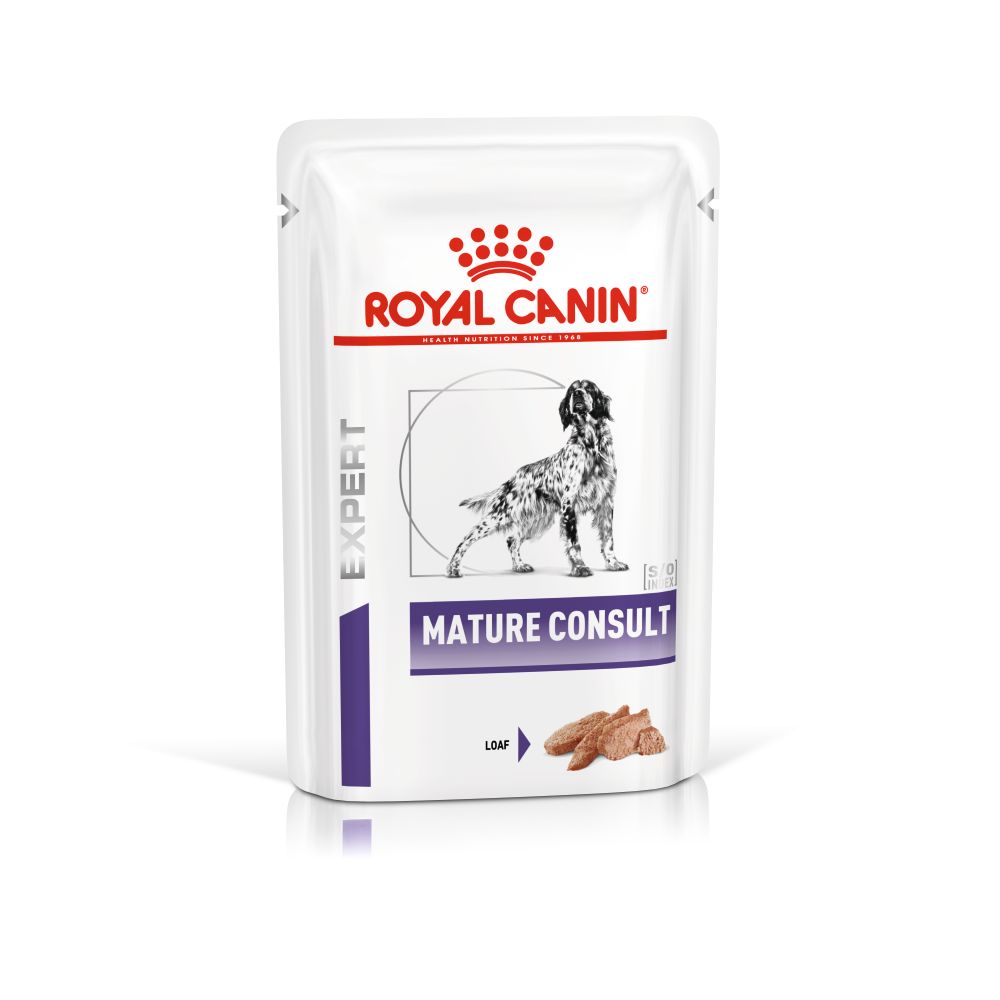
Royal Canin - Senior Dog Health Management Wet Food
For senior cats and dogs, it is recommended that you consider providing Royal Canin after diagnosis by a veterinarian. This nutritional and healthy formula for senior cats and dogs is high in fiber and rich in satiety, which can achieve the effect of weight control. This formula also has adjusted phosphorus content to help cats and dogs maintain kidney function.
What’s more important is that the formula has adjusted calorie levels to prevent older pets from consuming too many calories (studies have shown that obesity is a high-risk factor for older pets).
Share your moments and receive a free gift pack

Pettington and Royal Canin want to hear about your life with your pets. You can share the most memorable moments of your pets growing up below, and we will send you a senior pet gift pack. The gift pack includes Royal Canin Special wet food for senior pets, preparing your pets' nutrition for advanced age!
We'll also select the best-writing contributor to give you a free comprehensive blood test (provided by Long Ching Animal Hospital), so let's prioritize the health of older cats and dogs!